
Why Sudden Water Pressure Changes Should Never Be Dismissed as Everyday Inconveniences
A shower that changes from a strong stream to a disappointing trickle can throw off an entire morning. Maybe the kitchen tap seems weaker too, or the upstairs bathroom behaves differently from the one downstairs. It is easy to blame an aging faucet, but water pressure problems do not always begin where they are noticed. For homeowners seeking Residential Plumbing assistance, a sudden change can be the first clue that something elsewhere needs attention. The challenge is figuring out whether the trouble belongs to one fixture, several rooms, or the supply entering the house. That distinction matters before anyone starts replacing perfectly good hardware.
A single slow faucet may have a clogged aerator, a worn cartridge, or a valve that is not fully open. When several fixtures lose pressure at once, the possibilities widen. A supply line could be restricted, a pressure reducing valve might be malfunctioning, or the water utility may be working nearby. Even the timing offers useful clues. Does the shower weaken only when the washing machine fills? Did the change arrive overnight? Taking note of these patterns gives a licensed plumber something more useful than the vague description, “the water seems off.” Good diagnosis starts with careful questions, not a shopping list of parts.
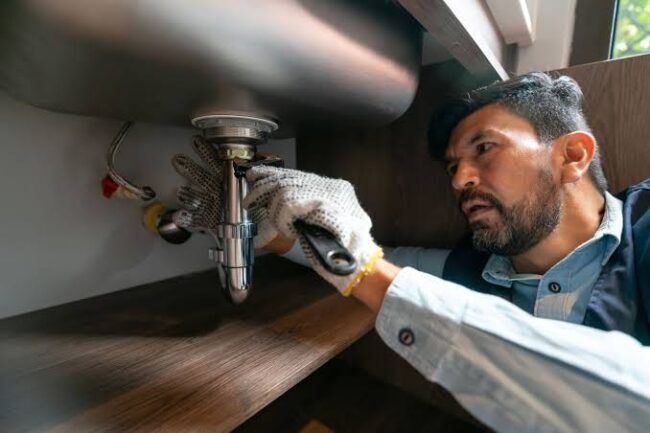
Surprisingly, too much pressure can be just as troublesome as too little. A forceful stream might feel satisfying when rinsing dishes, yet excessive pressure can strain hoses, valves, and other connections throughout the home. Water hammer, that sharp thud heard when a tap shuts off, can sometimes accompany pressure or flow issues, although it has several possible causes. Neither problem is something to judge by feel alone. A professional can measure pressure, examine the relevant controls, and check whether the readings fall within appropriate limits for the plumbing and local requirements. Guesswork is a poor substitute for a gauge.
Hidden leaks deserve special attention because a pressure drop may be only one symptom. An unexpectedly high-water bill, a damp patch beside a wall, or a water meter that moves when every fixture is off can suggest escaping water. Of course, each sign has other possible explanations, so investigation is more useful than panic. Homeowners can make a note of where and when the changes happen, then arrange an assessment. Digging into walls or tightening unfamiliar fittings without knowing the cause may turn a manageable repair into a much larger one. Early action gives everyone more options.
The most helpful service visit ends with an explanation, not simply a stronger shower. Ask what was measured, what caused the change, and whether any other fixtures should be checked. A licensed professional should be able to discuss repair choices, expected costs, and ways to notice trouble sooner next time. When comparing Residential Plumbing services, look for clear communication and diagnosis that follows the evidence instead of jumping straight to replacement. Some pressure changes have simple solutions, while others call for more involved work. Either way, understanding the cause protects the home and brings everyday routines back to something wonderfully uneventful.